The Escape from the Piombi (Leads)
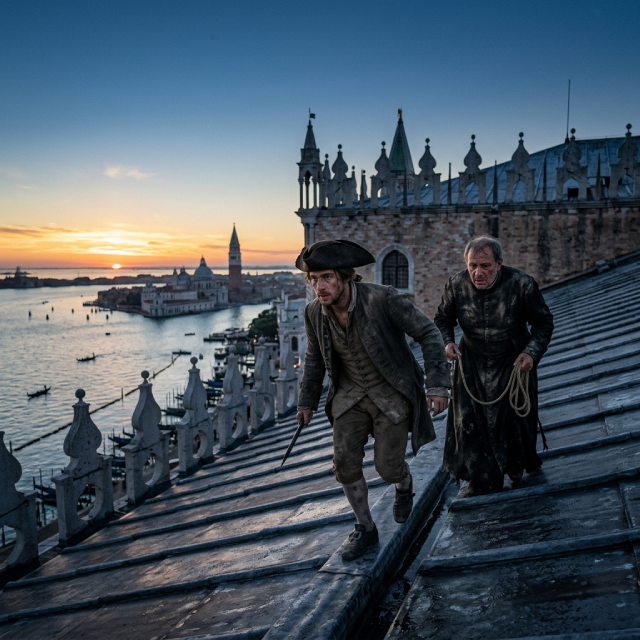
Escaping from the Piombi prison was said to be impossible. Casanova escaped. The news caused a sensation throughout Europe.
Published on 18 avril 2026
Hatshepsut – The Name we no longer speak
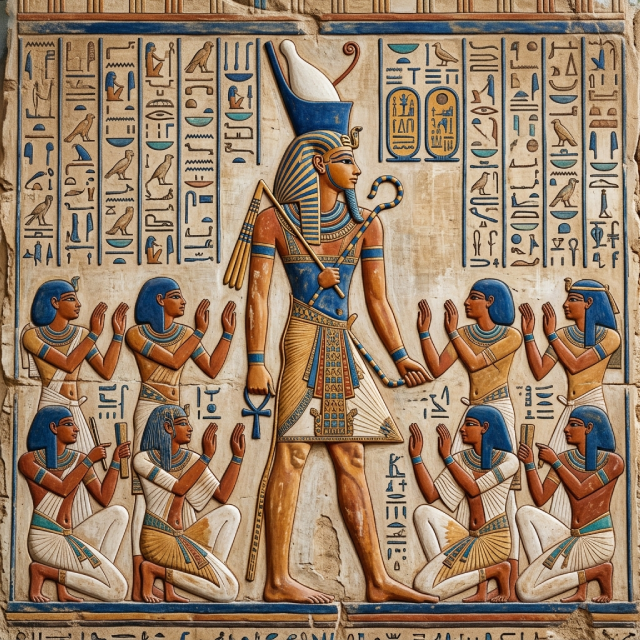
Thutmose III spent decades erasing Hatshepsut's name, and it is precisely this erasure that intrigues Egyptologists three thousand years later and resurrects her.
(Narrated by Thutmose III, Pharaoh of Egypt.)
Published on 16 avril 2026
The Night of the Moika
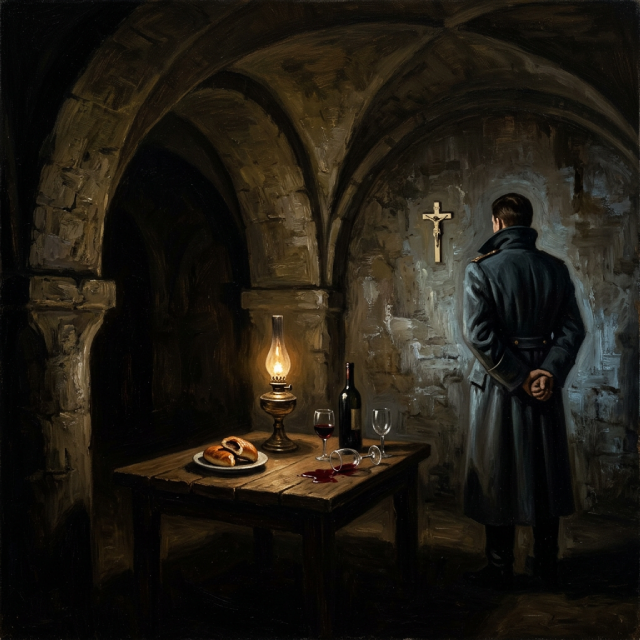
The night of December 16, 1916, four men gathered in the basement of the Yusupov Palace in Saint Petersburg. They had a plan. What followed defied it entirely. History remembers Rasputin. It remembers him as a mystic, a scandal, a legend. It remembers him, above all, as a man who was remarkably difficult to kill. This is not his story. It is the story of the man who pulled the trigger — and had to keep pulling.
Published on 12 avril 2026
The Buckingham Meteor.
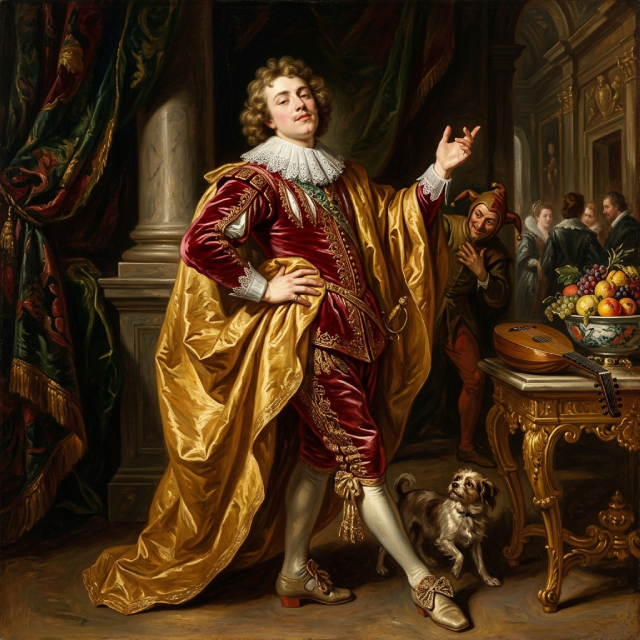
Buckingham is the very archetype of the character who transcends fiction - no novelist would dare invent someone so outrageous without being criticized for his implausibility.
Published on 10 avril 2026
Monty at Lehman Brothers
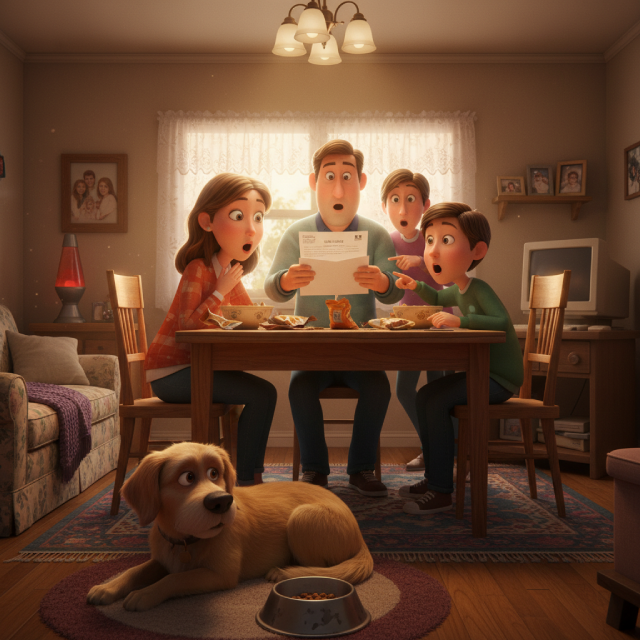
Finance professionals almost always find ways to generate short-term profits while creating long-term risks. Risks for you, not for them.
Published on 08 avril 2026
Lucia Valenti’s Revenge
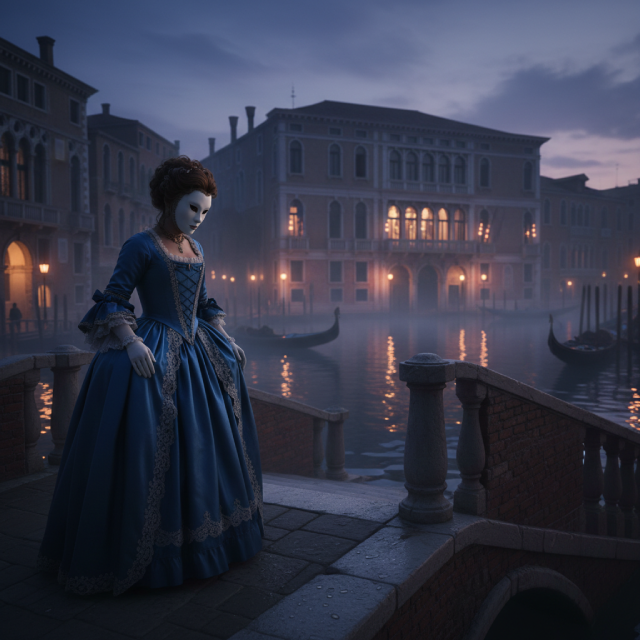
Venice, 1754. Behind the opulence of the silk trade lies a world of betrayal.
Lucia Valenti was born to inherit an empire. Instead, she was left with nothing. When her brother Lorenzo forged their father’s will, he didn’t just steal her fortune— casting her into the gutters of Venice–, he stole her soul. For three years, Lucia has survived the shadows, fueled by a singular, burning purpose: to watch Lorenzo lose everything. The only thing more dangerous than a man with a secret is a woman with nothing left to lose. But revenge, even successful revenge, comes at a price.
Published on 04 avril 2026
The Witch Famine
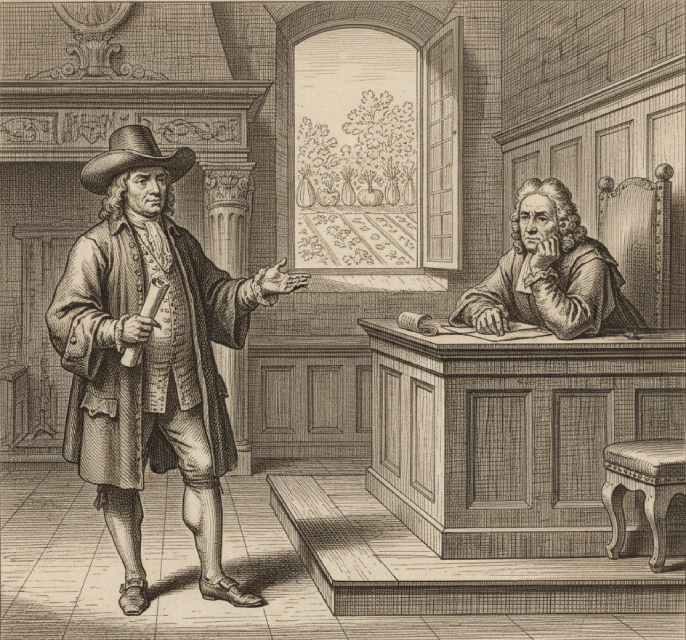
The political economy of the witch hunts: in 1682, Louis XIV's edict reforming witchcraft trials transferred confiscated property to the Crown, rather than to the accuser. The correlation—striking and entirely unsurprising—with the collapse in the number of denunciations is noteworthy.
Published on 02 avril 2026
The Imprint
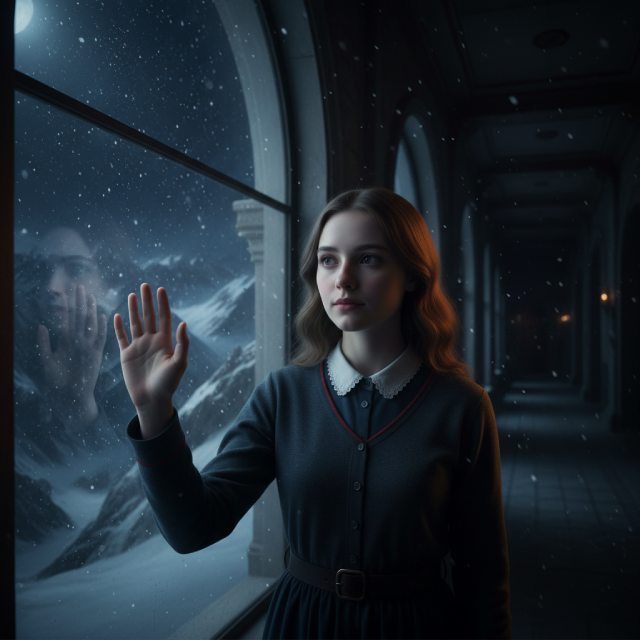
Born after her mother suffered a chemical accident, Elara possesses a physiological coldness that sets her apart from the world of men. At the High Peaks Institute, isolated in the snow and silence, her absolute calm is interpreted as a threat. They say she was born dangerous. That she is the product of a mistake, not of a deliberate choice.
For the headmaster, she is a biological time bomb. For her philosophy professor, she is living proof that the soul can transcend the flesh. The Imprint is a reflection on redemption. Can we choose to be human when everything within us compels us not to be?
Published on 29 mars 2026
The Last Brotherhood
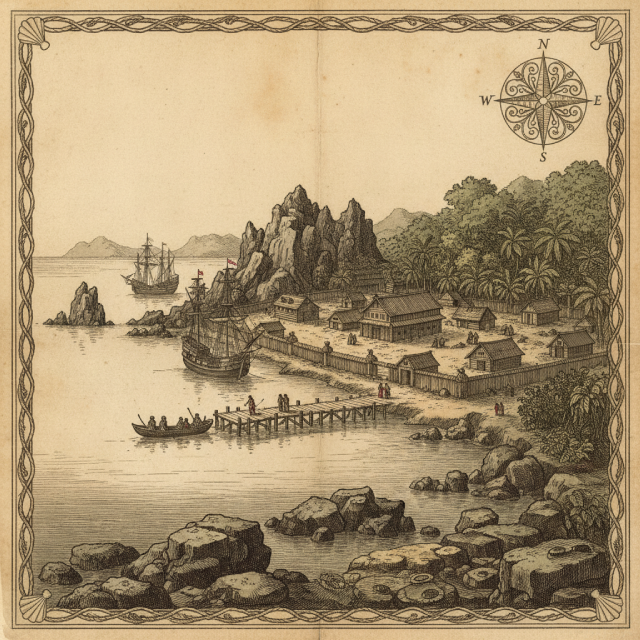
At the end of the 17th century, somewhere on the coast of Madagascar, some men are said to have founded a republic. They supposedly shared wealth, abolished hierarchies, and refused to own other men. In short, they presumably refused to believe that the world order was predetermined. They are said to have lived like this for about fifteen years, then disappeared. The problem is, we don't know for sure if they existed. What is certain is that the question they posed has never disappeared.
Published on 27 mars 2026
The Dance of Frau Troffea
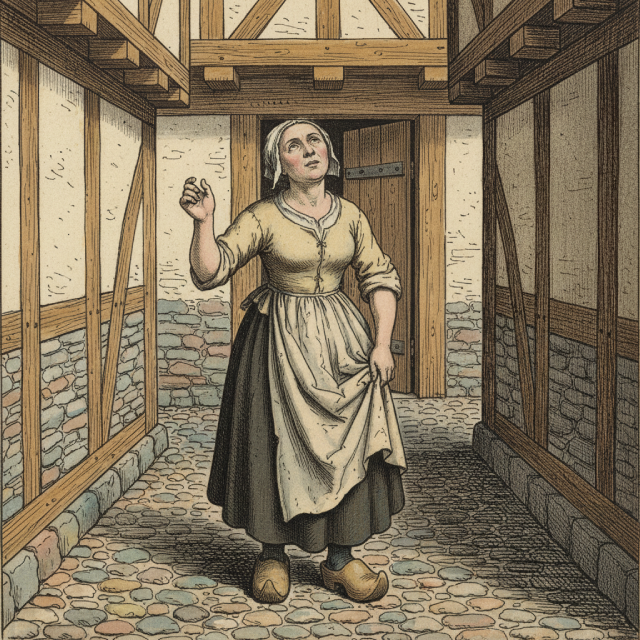
In 1518, in Strasbourg, several hundred people began dancing in the street and couldn't stop. The dancing lasted for weeks. Some dancers died from exhaustion or heart attack.
What exactly happened remains a mystery.
Published on 23 mars 2026