The Rose of the Dead
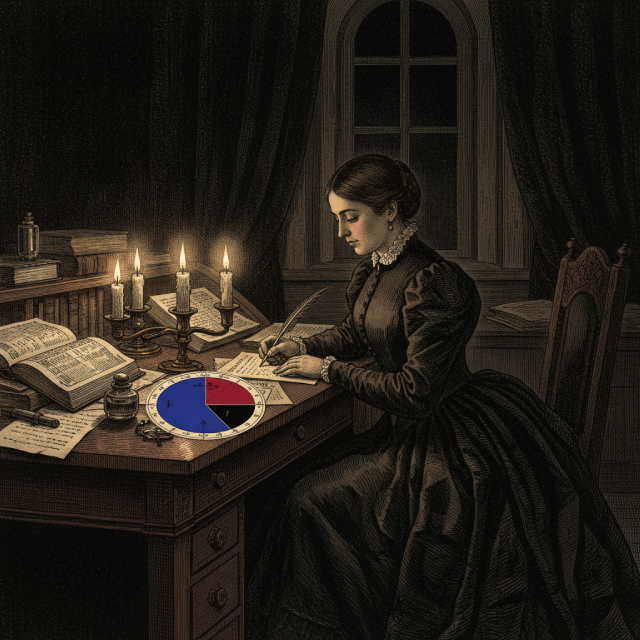
Florence Nightingale is famous for reforming military hospitals. What is less well known is that she was the first to use pie charts—the forerunners of our modern-day pie graphs—to convince the British Parliament that soldiers were dying not from their wounds, but from infections contracted in the hospitals themselves. She won the battle by presenting figures as images. She understood before almost anyone else that data is nothing in itself, that it must serve the living. The rose of the dead to save the living yet to come.
Published on 21 mars 2026
Purple in the Dust
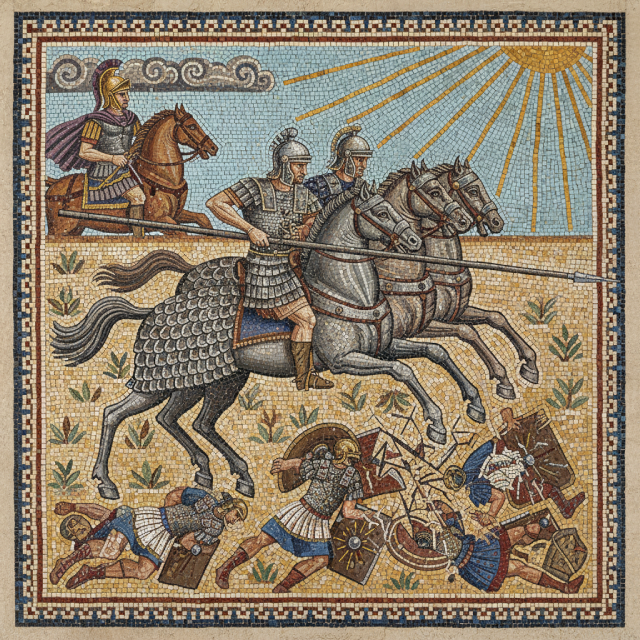
The greatness of an empire is measured less by its victories than by the way it survives its defeats. And Rome, despite everything — despite Edessa, despite the shame, despite the years of chaos that followed — Rome survived for two centuries more. You have been warned.
Published on 17 mars 2026
Isabel Barreto, Admiral of the South Seas
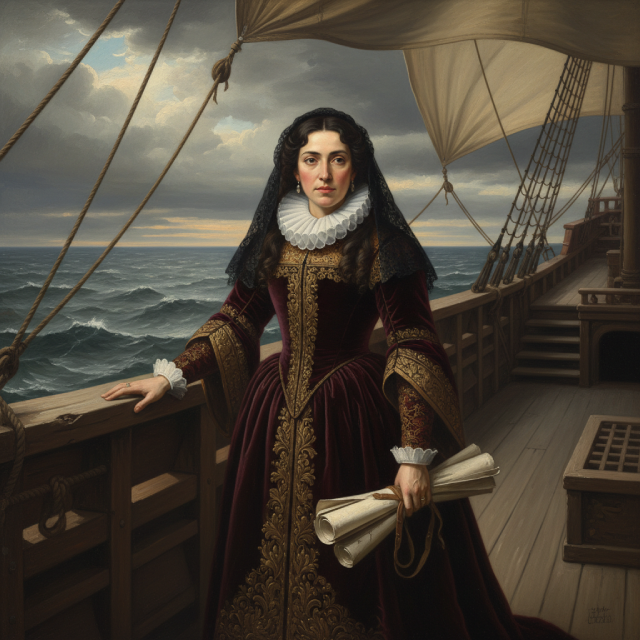
Isabel Barreto, a 16th-century Spanish navigator, was the first female admiral in the history of Spanish navigation, officially commanding a fleet in the Pacific. She took command after her husband's death at sea, in extreme conditions, and ruled authoritatively despite the objections of her own officers.
Published on 15 mars 2026
The Gods' Smoke
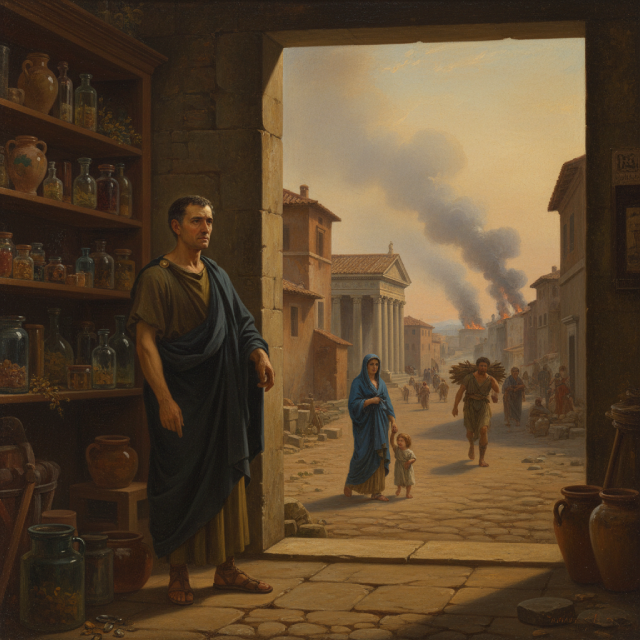
The Antonine Plague (165–180 AD), most likely smallpox or measles, brought back by the legions from the Parthian campaign, killed between five and ten million people across the Roman Empire. The physician Galen observed it and left precise clinical descriptions. The Emperor Marcus Aurelius, Stoic philosopher, lost his co-regent Lucius Verus to it in 169 and continued to govern the Empire while writing his Meditations — a reflection on death, duty, and the impermanence of all things.
Published on 13 mars 2026
The Conspiracy
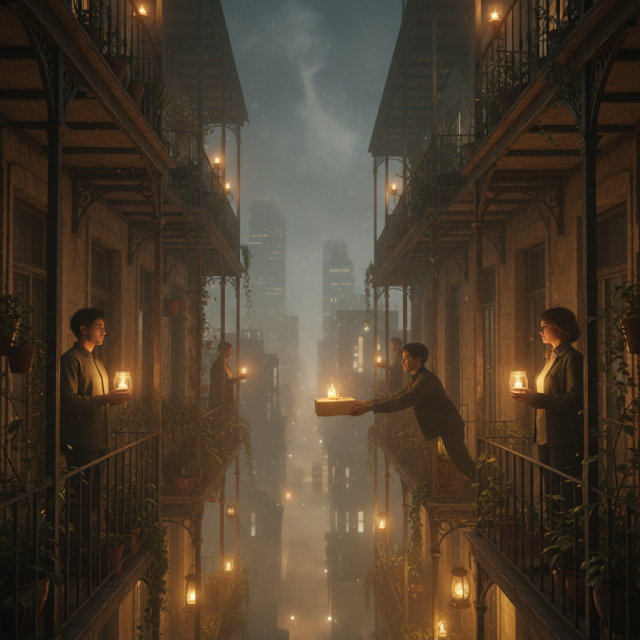
Why should I be the only one not belonging to the conspiracy sphere? Here, then, is my conspiracy. And what's more, it's plausible.
Published on 01 mars 2026
Footsteps One Never Forgets
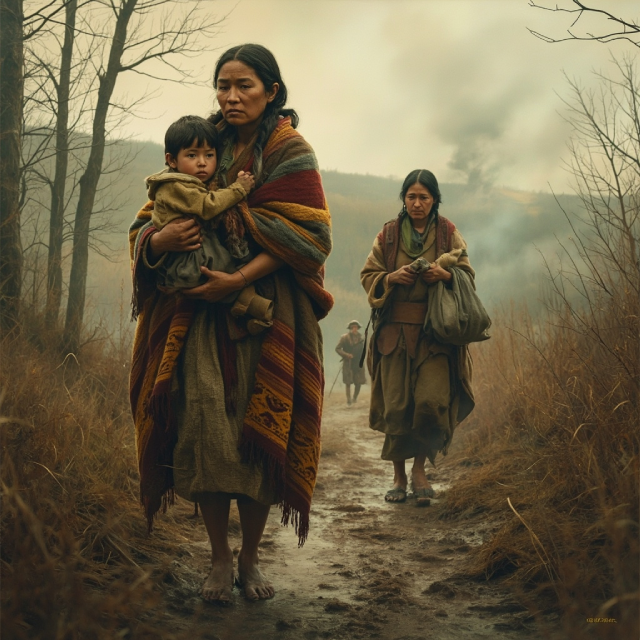
Between 1830 and 1850, under pressure from President Andrew Jackson and despite a ruling by the United States Supreme Court, more than 60,000 Native Americans were forcibly removed from their ancestral lands to what is now Oklahoma. Among them, approximately 16,000 Cherokees were forced to march over 1,200 kilometers. Nearly a quarter died along the way—from cold, hunger, disease, or exhaustion. This exodus is known as the Trail of Tears.
Published on 27 février 2026
Why do you appear in my family photo?

When a simple photo from a 1987 family reunion reveals a secret that changes a whole life.
Published on 23 février 2026
Cagliostro, the Alchemist of Appearances
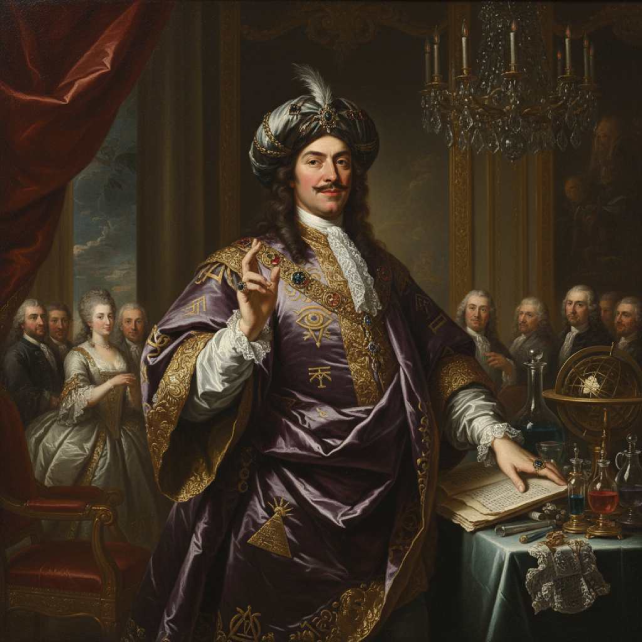
From Sicilian poverty to the gilded salons of Versailles, the extraordinary odyssey of a brilliant imposter who transformed his name into legend and his life into a masterpiece of illusion.
More than a mere swindler, Cagliostro was an artist of illusion, a virtuoso who understood the flaws of his era better than anyone else. In a century that prided itself on reason, he proved that elegant mystery was more seductive than prosaic truth. His masterpiece? To have invented himself, to have transformed Giuseppe Balsamo into a legendary count, and to have made his entire life a magnificent spectacle.
Published on 19 février 2026
(2)-The End of the Edwin Drood Mystery
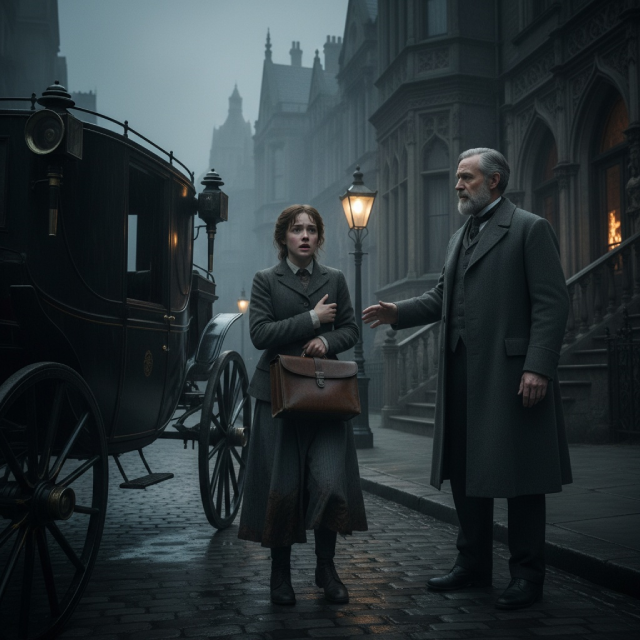
Everyone is free to imagine the ending of the novel. Here is mine.
This ending respects Dickens's penchant for hidden identities (Oliver Twist, Great Expectations) and his interest in moral redemption.
Published on 13 février 2026
(1)-The Mystery of Edwin Drood (summary)
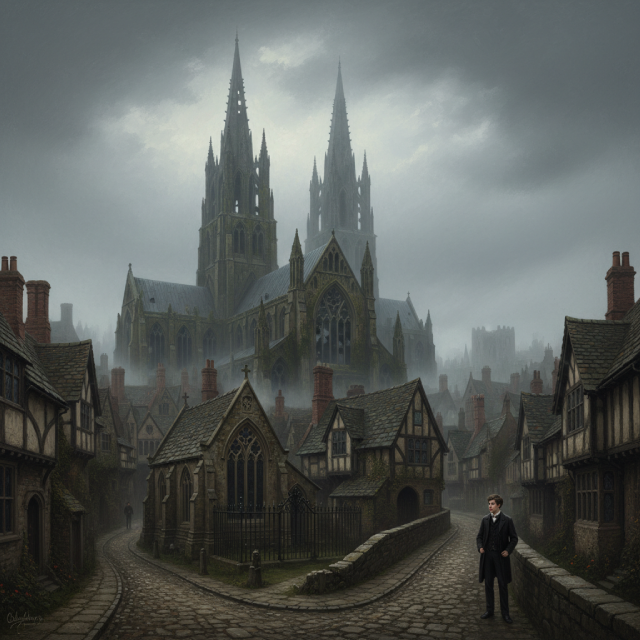
In 1870, Charles Dickens began the serial publication of what was to be his last novel: The Mystery of Edwin Drood. He wrote six of the twelve planned installments, or about half of the novel, before dying suddenly of a stroke.
Published on 12 février 2026